
Unlocking the Business Potential of Racquet Sports - Lessons from the Past
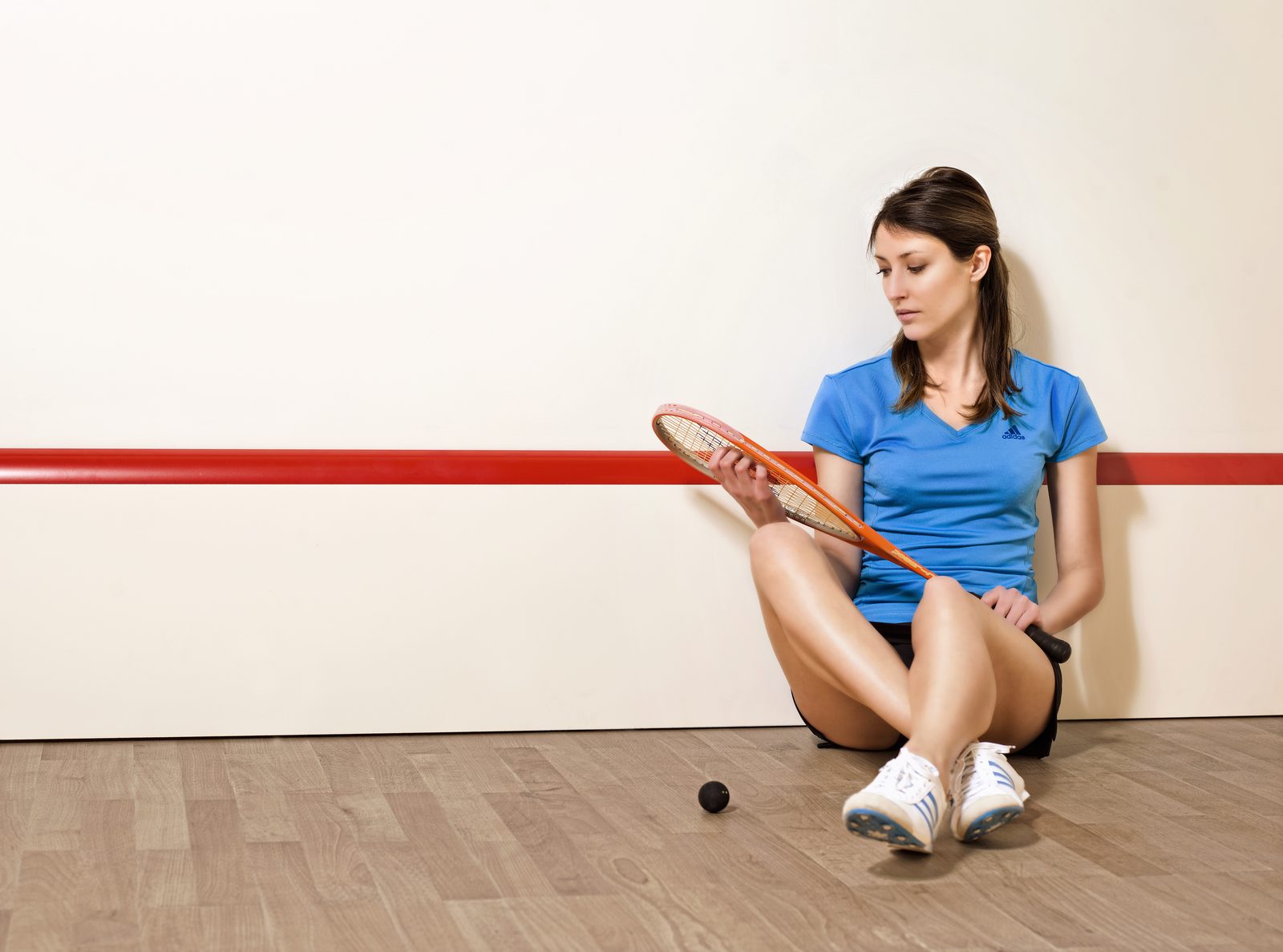
Racquet sports are among the most promising investments in today’s leisure market. Whether squash, padel, pickleball, or badminton (in Europe), they all share a core business model centred on social interaction, repeat participation, and strong community-building. Since these sports are fundamentally similar, investors and facility owners can use proven strategies across them and avoid common mistakes.
A key to success in any racquet sport is to provide not just the courts but an appealing, well-structured venue. The facility should cater to recreational players while still offering competitive opportunities and a friendly social environment.
Around 90% of players in all racquet sports are recreational. They are there for fun, social connections, and fitness—so purely opening the doors is not enough for long-term success. Strategic facility planning and consistent community engagement are critical to maintaining momentum once initial buzz fades.
Learning from Past Successes and Failures
History shows that even sports enjoying a boom can struggle or decline if core business fundamentals are ignored. Examining these lessons helps you understand what works—and what doesn’t.
- Racquetball (USA): Once one of the fastest-growing sports in the 1980s, it later declined due to facility closures and dwindling participation.
- Squash (Germany): In the 1990s, there were around 9,000 courts; today, fewer than 800 remain, largely due to real estate costs and weak strategic planning.
- Padel (Sweden): Despite booming popularity, many courts have closed recently because of oversaturation and poor business planning.
Common Factors Behind Failure
- Rising Real Estate Costs: High property values tempt owners to convert sports facilities into more profitable commercial developments.
- Flawed Business Models: Unprofitable facility sizes Poor location and inaccurate demand estimates Inefficient facility design leading to higher operational and staffing costs
- Lack of Programming: Relying only on passive usage (just opening and closing each day) eventually hurts revenue. Long-term success depends on events, structured programs, and ongoing community-building.
Understanding Player Demographics of Racquet Sports
Offering multiple racquet sports under one roof can diversify your audience and ensure higher court usage. Each racquet sport tends to attract a slightly different player base:
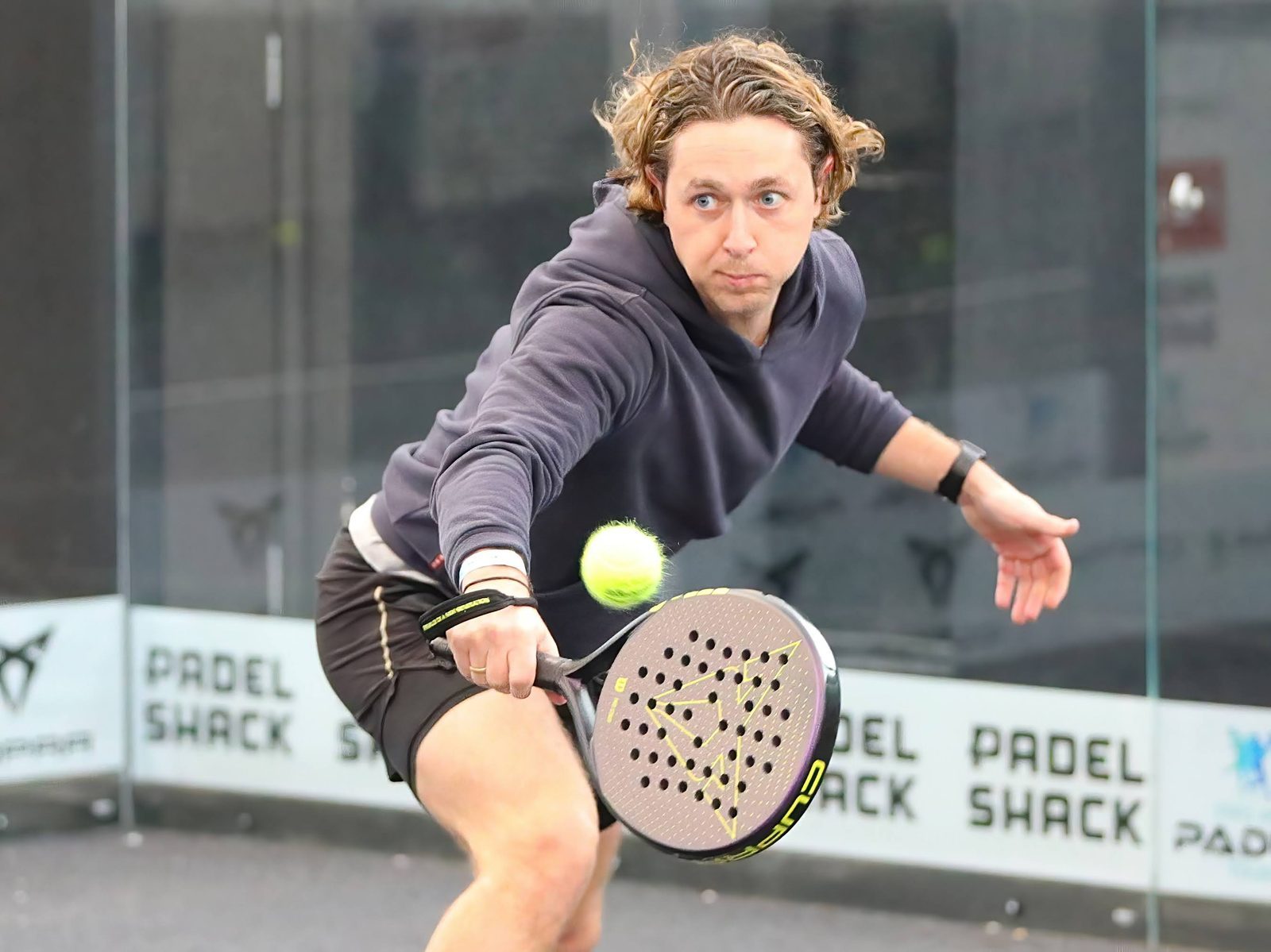
- Padel (The Social Starter): Easy to learn, doubles-only format, and community-focused. Attracts adults aged 18–45; nearly half of players in Europe are women.
- Squash (The Fitness Fanatic): Known for its intense, fast-paced gameplay. Appeals to dedicated athletes and fitness enthusiasts, often those looking for a demanding workout.
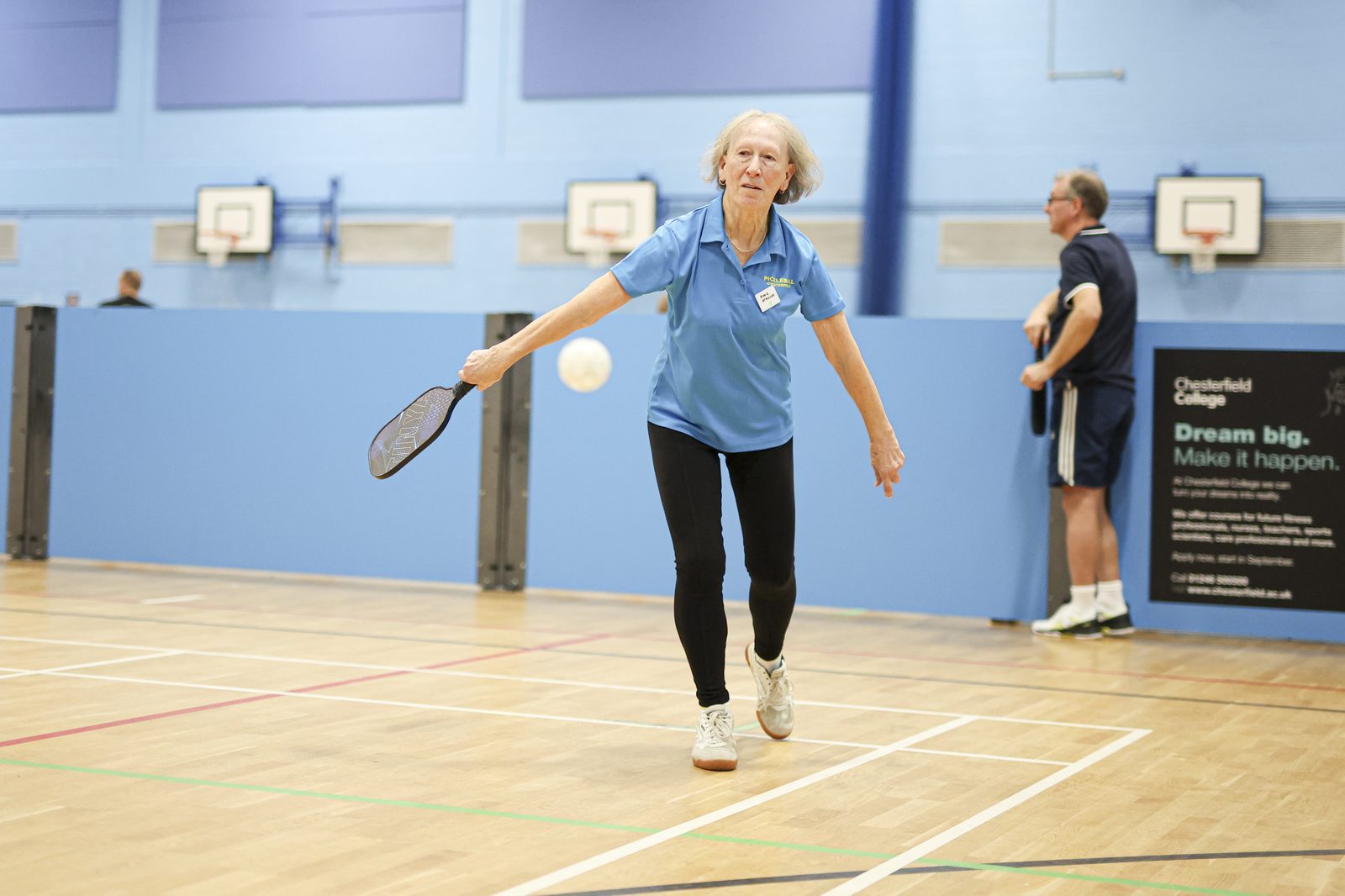
- Pickleball (The Casual Collaborator): Growing quickly in North America, especially among older adults and multi-generational groups. Accessible for beginners, yet competitive enough to keep players engaged.
- Badminton (The Speed Demon): The fastest racquet sport, popular in Asia and Europe, with a strong presence in schools and universities. Appeals to those who love quick reflexes and agility.
Location and Market Potential
A successful facility depends on understanding the local market and designing an attractive, functional venue:
- Population Density: Depending on your business model, you generally need about 100–400 players per court for healthy utilization. Ensure the area within a 10–15 km radius (or a 15–20-minute drive) has enough potential to meet this requirement.
- Nearby Schools/Universities: These institutions supply a steady flow of younger, active players.
- Corporate Engagement: Large companies and government organisations in the area can become important partners.
Final Thoughts
Racquet sports offer a robust investment opportunity, but long-term success depends on strategic planning, careful facility design, and a strong community focus. To create a sustainable business that draws players back year after year, keep these key lessons in mind:
- Learn From the Past: Investigate both the successes and failures across all racquet sports to see which strategies work—and which to avoid.
- Diversify Facility Planning: Don’t just maximise the number of courts for your favourite sport. Instead, figure out which combination of racquet sports is best suited to your location and target audience.
- Build a Community: Focus on programming, social spaces, and events that foster engagement and camaraderie among players.
- Stay Flexible: Design the facility so it can adapt over time to new trends, changing demographics, and evolving player interests.
By blending proven insights with smart, data-driven decisions, you can develop a thriving venue that appeals to both casual and competitive players—one that stands the test of time.